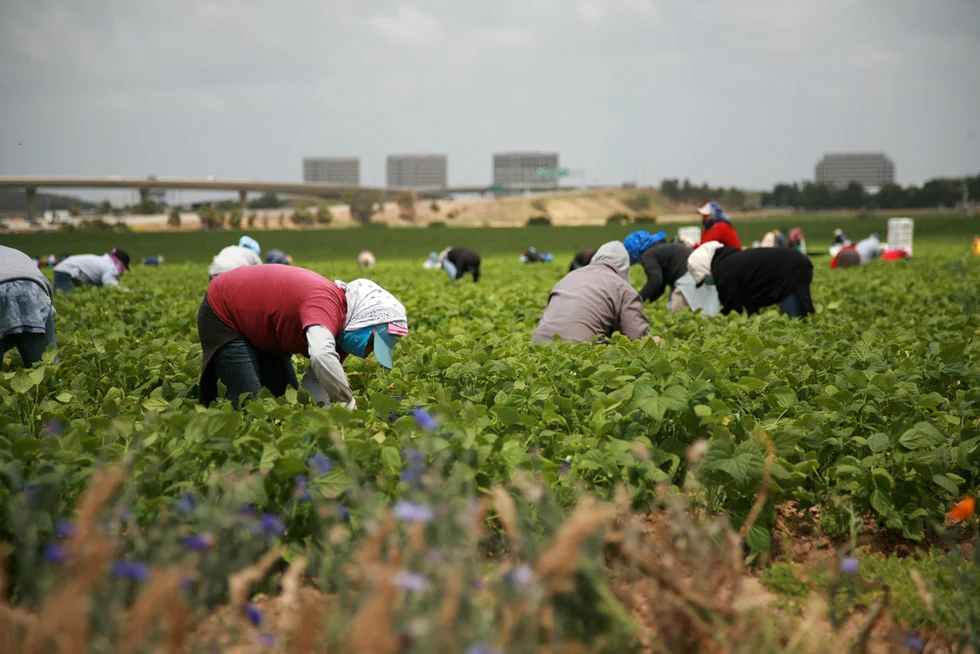
Undocumented Immigrant Workers and Their Legal Rights on the Job
Fear keeps too many people silent at work, and bad employers know it. For undocumented immigrant workers, the pressure can feel heavier because a paycheck, rent, family safety, and immigration risk all sit in the same room. That does not mean an employer gets a free pass. In the United States, many core workplace protections still apply, including pay rules, safety rights, anti-discrimination protections, and the right to speak with coworkers about conditions. The U.S. Department of Labor says migrant workers have the right to be paid properly, paid on time, work in a safe place, and join with others to improve conditions.
A worker does not need perfect paperwork to deserve basic dignity. That point matters in restaurants, construction sites, farms, cleaning crews, warehouses, landscaping teams, and home care jobs across the country. Reliable workplace rights information can help people understand the difference between a real legal risk and a threat an employer is using to control them. This article follows the uploaded brief for structure and topic focus.
The Rights That Do Not Disappear at Work
The first mistake many workers make is assuming immigration status erases every job protection. It does not. U.S. labor law often focuses on the work performed, the hours worked, the wages promised, and the harm suffered. That gives workers a starting point, even when the immigration side of life feels uncertain.
Why Pay Rights Still Matter Even Without Work Authorization
Wage laws lose their power if an employer can break them by hiring vulnerable people. That is why pay protections matter so much. The Fair Labor Standards Act requires covered employees to receive minimum wage and, in many cases, overtime pay when they work more than 40 hours in a workweek. The Department of Labor has also said the Supreme Court’s Hoffman Plastics decision does not stop the agency from enforcing minimum wage and overtime protections under laws it administers.
Wage theft often starts small. A restaurant manager “forgets” two hours after closing. A roofing subcontractor pays cash for four days but refuses to pay the fifth. A cleaner gets told tips count as regular wages even when the math does not work. Those tricks are not harmless misunderstandings. They are money taken from labor already given.
A useful test is plain: did you work, and were you paid for the time? If the answer is no, your immigration status does not turn stolen wages into a private business decision. The Wage and Hour Division tells workers they have the right to be paid for all hours worked and provides a complaint path for unpaid wages.
When Workplace Protections Cover Safety, Harassment, and Organizing
A paycheck is only one part of the job. Workplace protections also reach safety, discrimination, and the right to act with coworkers. OSHA says workers can file a confidential complaint when they believe conditions are unsafe or unhealthy. That matters when a construction crew has no fall protection, a kitchen has blocked exits, or a warehouse keeps pushing people through heat without enough water.
Discrimination law can also apply. The EEOC states that immigrants are protected by federal anti-discrimination laws, and its public materials explain that those protections can cover workers even when they are not citizens or authorized to work.
The same practical rule shows up in organizing. The National Labor Relations Board says it protects employee rights under the National Labor Relations Act regardless of immigration status. That includes talking with coworkers about pay, hours, and working conditions.
Undocumented Immigrant Workers and Employer Threats
Once a worker understands the basic rights, the harder problem appears: fear. Some employers do not openly deny the law. They rely on panic. They suggest that calling an agency, asking for overtime, or complaining about harassment will bring immigration consequences. That threat is often the real weapon.
How Immigration Retaliation Gets Used to Silence Complaints
Immigration retaliation can look direct or quiet. A boss may say, “I know your papers are bad.” A supervisor may threaten to call immigration after a worker reports wage theft. A contractor may suddenly ask for documents only after someone complains about unpaid overtime. The timing tells the story.
This is where workers should slow down and document everything. Write down dates, names, hours, locations, pay amounts, and exact threats. Save texts, photos of schedules, pay envelopes, time cards, jobsite addresses, and messages from supervisors. A messy folder of proof is better than a perfect memory under stress.
The counterintuitive point is simple: silence can make the threat stronger. Employers who depend on fear often repeat the same conduct because nobody creates a record. A worker does not need to argue at the jobsite. A worker needs evidence, calm steps, and help from the right agency or advocate.
Why Talking With Coworkers Can Change the Power Balance
One isolated complaint is easier to dismiss than five workers telling the same story. That is why conversations between coworkers matter. Under the NLRA, many private-sector employees have the right to seek better working conditions together, whether or not a union is already present.
A warehouse example makes this clear. If one worker says the line speed is unsafe, management may call it attitude. If several workers compare injury notes, break times, and supervisor comments, the issue becomes harder to hide. Facts start lining up.
This does not mean every worker should confront the boss in a group on Monday morning. Not always. But often enough, quiet coordination is safer than lonely resistance. Workers can compare pay, track missed breaks, identify witnesses, and decide whether to contact a worker center, legal aid office, union, OSHA, the Department of Labor, or the NLRB.
What to Do When Wages, Safety, or Abuse Become Serious
Knowing your rights is not the same as using them. The next step needs care because immigration concerns, job loss, family pressure, and money problems can collide fast. Smart action starts with records, trusted help, and the correct complaint path.
How to Handle Wage Theft Without Losing the Paper Trail
Wage theft should be treated like a financial injury, not workplace gossip. Start with the numbers. Track every shift, start time, end time, meal break, cash payment, promised rate, and missing amount. If you were paid in cash, write down who paid you, where, and whether anyone watched it happen.
The Department of Labor’s Wage and Hour Division handles wage complaints and says workers may contact the agency when they believe they were not paid properly. That gives workers a public enforcement route instead of begging the same employer who created the problem.
One mistake is waiting until the job ends badly. Records are easier to build while the work is still happening. Take photos of posted schedules, keep copies of messages, and write notes after conversations while the details are fresh. If the employer later changes the story, your timeline can become the backbone of the claim.
How to Report Unsafe Working Conditions Before Someone Gets Hurt
Unsafe working conditions deserve urgency because injuries can change a life in one shift. A missing guard on a machine, a roof edge without fall protection, chemical exposure with no training, or heat illness in a field is not “part of the job.” It is a warning.
OSHA allows workers to file a confidential safety and health complaint and ask for an inspection. That point matters for workers who fear being named. A confidential complaint does not remove every risk, but it gives workers a safer path than arguing alone with a supervisor who may care more about speed than safety.
A practical move is to document hazards without creating more danger. Photos, dates, locations, equipment names, witness names, and injury details can help. Workers should also report urgent danger quickly, especially when a hazard could kill someone before a normal complaint process moves.
Getting Help Without Letting Fear Decide Everything
The hardest part is choosing help. The internet gives general information, but workplace cases depend on state law, industry, employer size, facts, timing, and the kind of harm involved. A farmworker in California, a dishwasher in Texas, a roofer in Florida, and a home health aide in New York may face different options.
When State Law Changes the Answer
Federal rights matter, but state law can add another layer. Workers’ compensation is a good example. Rules for injured workers vary by state, and current legal debates show that undocumented workers’ access to benefits can differ across the country. A 2026 Reuters legal analysis described a mixed state landscape, with some states allowing benefits for job-related injuries and others limiting or challenging access.
That is why a worker injured on the job should not rely on a rumor from a coworker or a threat from an employer. The right answer may depend on the state, the injury, the documents used at hiring, and the kind of benefit requested. This is exactly where a local workers’ rights lawyer, legal aid group, worker center, or union can make the difference.
The unexpected truth is that “I have no rights” is often the employer’s favorite legal advice. It is also often wrong. The better sentence is, “I need state-specific help before I decide what to do.”
Where Workers Can Start When They Need Help
A worker can begin with the problem itself. For unpaid wages, the Department of Labor’s Wage and Hour Division is often the starting point. For unsafe conditions, OSHA is the natural path. For discrimination or harassment based on protected traits, the EEOC may be relevant. For group action, organizing, or retaliation tied to protected concerted activity, the NLRB may fit.
Undocumented immigrant workers should also consider speaking with trusted local support before filing when immigration threats are already involved. A worker center, immigration lawyer, labor lawyer, legal aid clinic, or union organizer may help plan the safest route. Some situations need fast action. Others need evidence first.
No article can promise a risk-free complaint. That would be dishonest. But fear should not be the only voice in the room. The law may not fix every harm cleanly, yet it gives workers tools that bad employers hope they never learn to use. The next step is to gather records, avoid signing anything under pressure, and speak with a qualified local advocate before the employer controls the story.
Frequently Asked Questions
Can undocumented workers file unpaid wage claims in the United States?
Yes, many workers can file wage claims for unpaid minimum wage, overtime, or withheld pay. Immigration status does not automatically erase wage rights. The safest move is to collect records first, then contact the Wage and Hour Division or a local workers’ rights attorney.
Can an employer refuse to pay because a worker is undocumented?
No employer should treat immigration status as an excuse to keep earned wages. If the work was performed, pay laws may still apply. Workers should save schedules, texts, pay records, and witness names before asking for help.
Can undocumented workers report unsafe working conditions to OSHA?
Yes, workers can report unsafe or unhealthy conditions to OSHA and may request confidentiality. Serious hazards should be documented with dates, locations, photos when safe, and names of witnesses. Dangerous conditions should not be ignored because of immigration fear.
Are undocumented workers protected from workplace discrimination?
Federal anti-discrimination laws can protect immigrant employees, including workers who are not authorized to work. Discrimination based on race, color, sex, religion, national origin, age, disability, or other protected traits may support a complaint.
Can a boss threaten to call immigration after a complaint?
Threats tied to wage claims, safety reports, discrimination complaints, or group organizing may create retaliation issues. Workers should document the exact words, date, speaker, and witnesses. Legal help is especially important when immigration retaliation is part of the threat.
Can undocumented workers join together to demand better conditions?
Many private-sector employees have the right to act together about pay, hours, and working conditions. That can include talking with coworkers, raising shared concerns, or seeking union support. Immigration status does not automatically remove those organizing rights.
Do undocumented workers qualify for workers’ compensation after an injury?
The answer depends heavily on state law. Some states allow benefits for job-related injuries, while others limit certain claims or benefits. Injured workers should report the injury, get medical care, keep records, and contact a local attorney quickly.
What should undocumented workers do before filing a workplace complaint?
They should gather proof first: hours worked, pay records, messages, photos, supervisor names, jobsite addresses, and witness details. They should avoid signing documents they do not understand and speak with a worker center, legal aid office, union, or attorney when possible.